
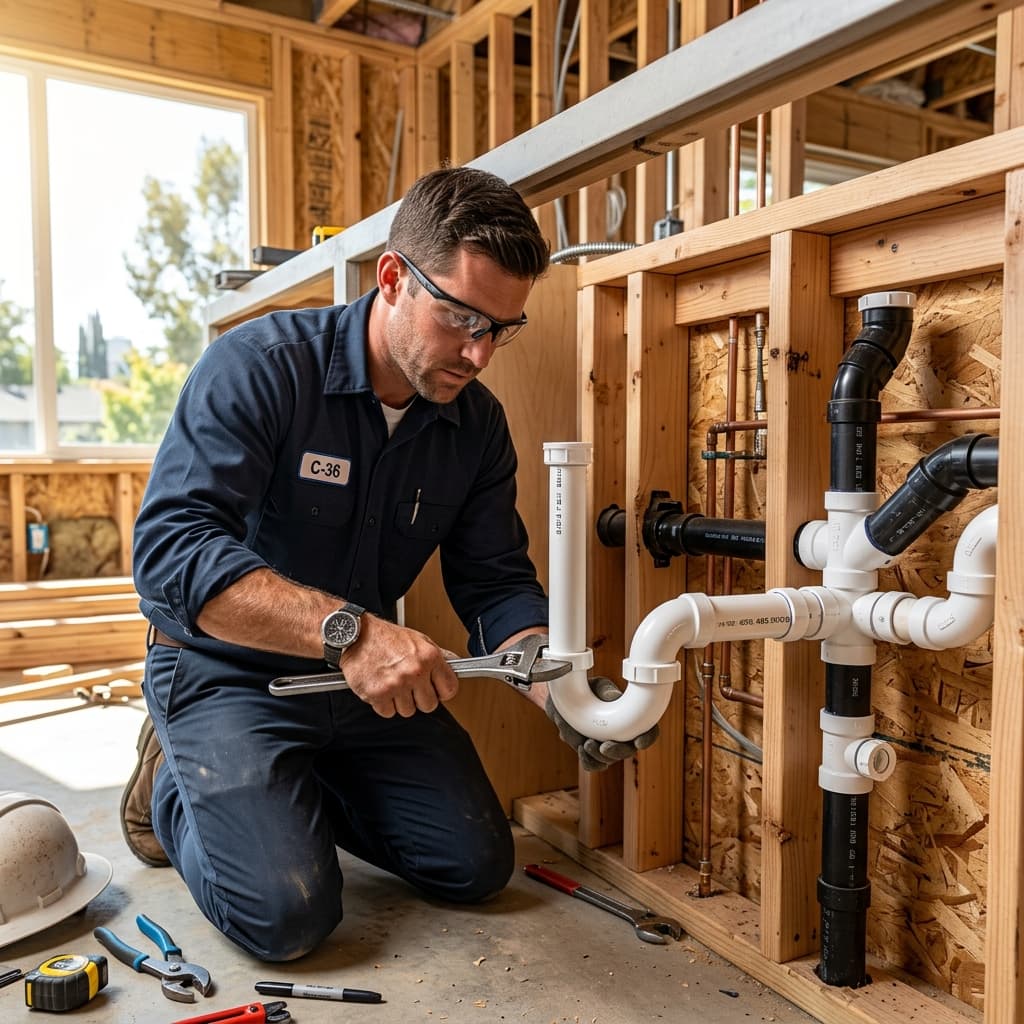
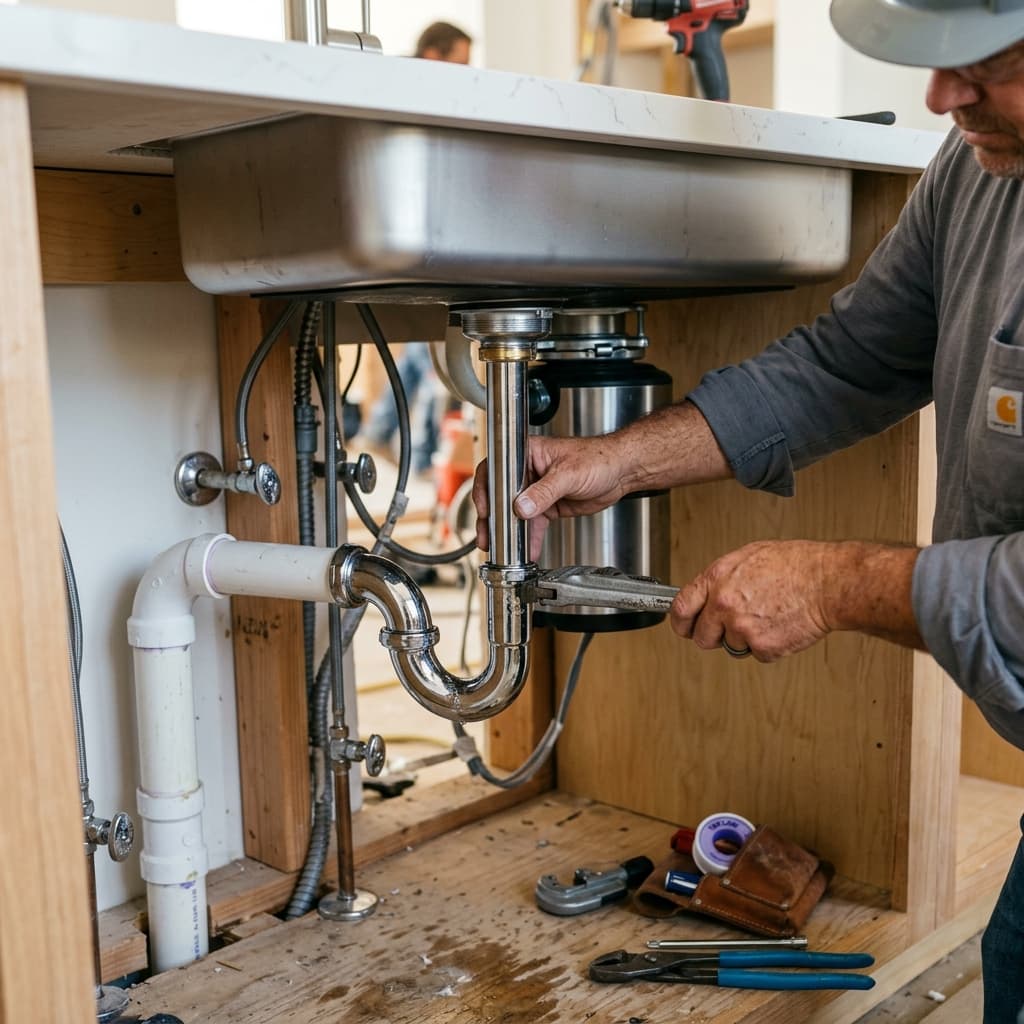
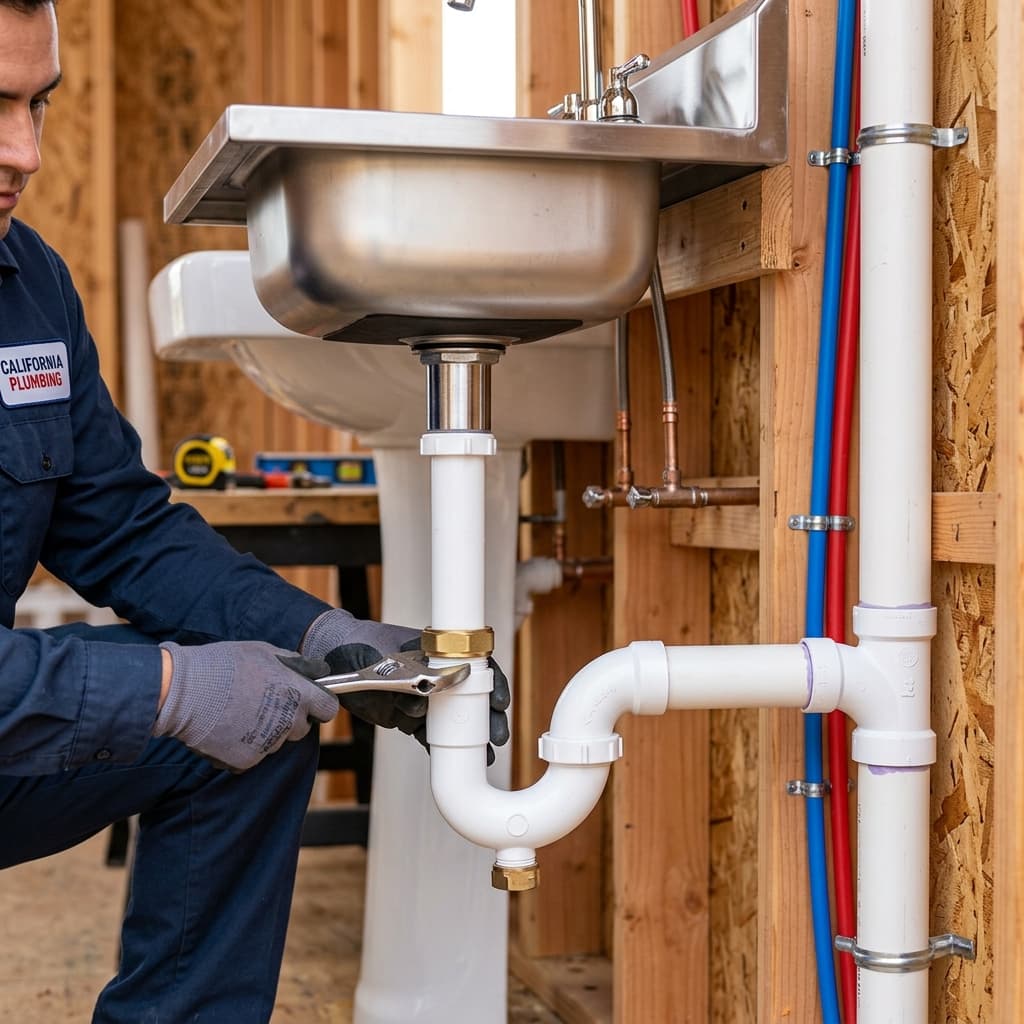
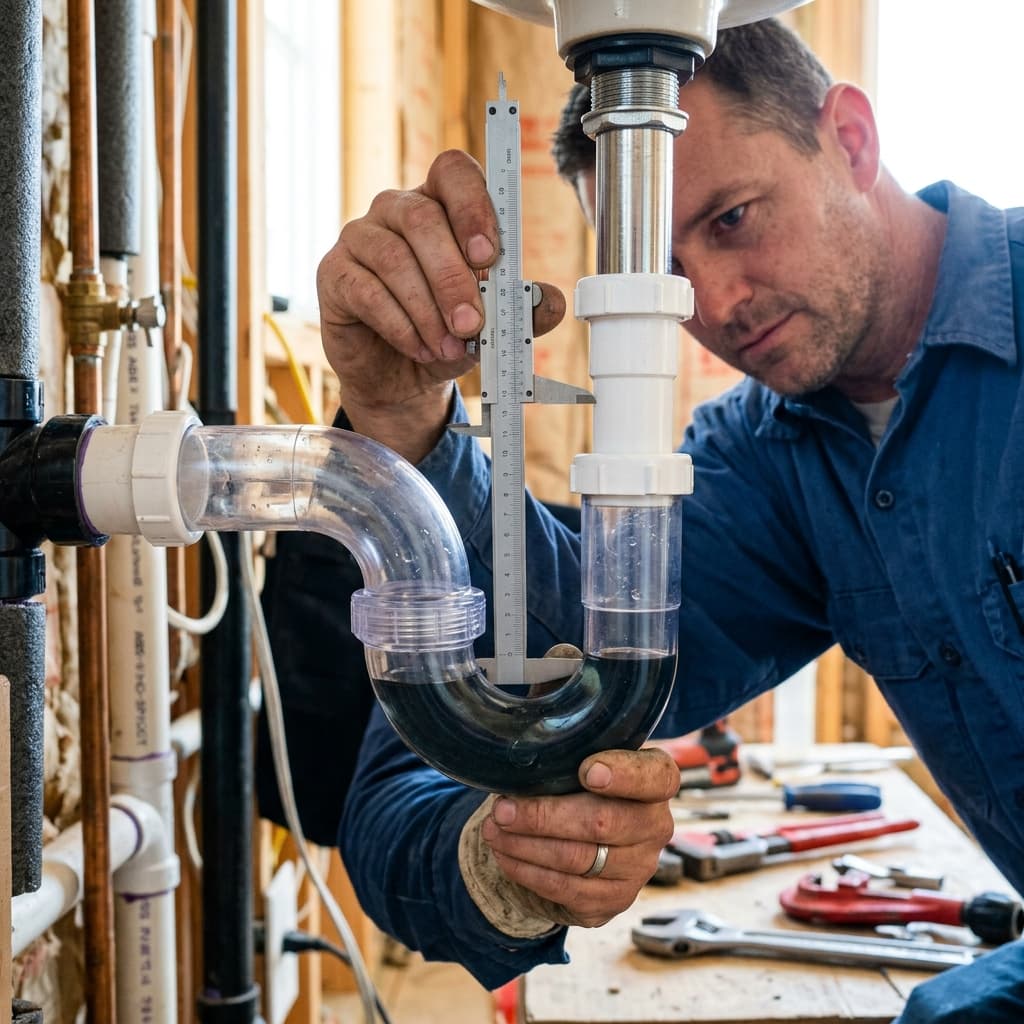
# CPC Section 422: Trap Requirements and P-Trap Sizing for C-36 Exam Success
Understanding CPC Section 422 trap requirements is fundamental to passing the California C-36 plumbing license exam. This section establishes the mandatory standards for trap selection, sizing, and installation that protect public health by maintaining proper sanitary drainage and preventing sewer gas infiltration. Whether you're a test-taker or practicing plumber, mastering trap sizing requirements will directly impact your ability to design compliant drainage systems.Understanding the Purpose of Traps in Plumbing Systems
Before diving into sizing calculations, let's establish why traps are non-negotiable in plumbing design. Traps create a water seal that prevents sewer gases from entering occupied spaces while allowing wastewater and solid waste to flow freely into the drainage system.
The California plumbing code drainage standards recognize that:- Every plumbing fixture must have an accessible trap
- The trap must maintain a water seal of sufficient depth
- The trap must be sized appropriately for the fixture's discharge characteristics
- Improper traps create health hazards and code violations
CPC Section 422.1: Individual Trap Requirements
CPC Section 422.1 establishes the fundamental principle: each fixture shall be separately trapped. This means you cannot connect multiple fixtures to a single trap in most residential and commercial applications.Key Exceptions to Individual Trap Requirements
The code does permit some flexibility:
- Multiple sinks in series: Up to three compartments of a multi-compartment sink may share one trap (CPC 422.1)
- Island fixtures: Fixtures on islands may use special venting configurations with shared traps under specific conditions
- Integral traps: Some fixtures have built-in traps (like water closets) requiring no additional trap
Why Double Trapping Is Prohibited
Double trapping (using two traps on one fixture) is explicitly prohibited except where required by code. Here's why:
- Siphoning risk: Two traps create unstable conditions where water can be siphoned from the first trap
- Sediment accumulation: The space between traps catches solids, creating blockage points
- Maintenance difficulty: Repair access becomes problematic
- Unnecessary complexity: Adds expense without benefit
CPC Section 422.2: Trap Seal Depth Requirements
The water seal depth within a trap is critical to its function. CPC Section 422.2 specifies:- Minimum seal depth: 1 inch
- Maximum seal depth: 4 inches
- Standard seal depth: 2 inches for most applications
Why These Specific Measurements Matter
Less than 1 inch of seal:- Easily evaporates during periods of fixture non-use
- Provides insufficient barrier against sewer gas
- Common failure point in abandoned fixtures
- Creates excessive siphoning potential
- Difficult for trap to clear sediment
- Hydraulically unstable with certain discharge patterns
Evaporation and Trap Seals
The code recognizes that traps in unused or rarely-used fixtures can lose their seal through evaporation. This is why:
- Floor drains in commercial spaces may require additional protection
- Emergency overflow drains need special consideration
- Fixture drain cleaning access points must be designed to prevent seal loss
Understanding P-Trap Sizing: The Foundation of Proper Drainage
P-trap sizing requirements depend on understanding fixture units and the relationship between trap diameter and the volume of water discharge. This is where many exam candidates struggle, but it's essential knowledge.Trap Sizing Standards by Fixture Type
The relationship between trap size and fixture unit load follows these guidelines:
| Fixture Type | Minimum Trap Size | Fixture Units | Notes | |---|---|---|---| | Lavatory/Sink | 1¼" | 1 | Most common residential | | Bathtub | 1½" | 2 | May require 2" in some cases | | Water Closet | 3" | 4 | Never smaller than 3" | | Floor Drain | 2" | 0-2 | Depends on location/use | | Shower | 2" | 2 | Minimum for adequate drainage | | Utility Sink | 1½" | 2 | Commercial applications |
The Logic Behind Sizing Requirements
Undersized traps (like using a 1¼" trap for a bathtub):- Create backup and slow drainage
- Trap solids prematurely
- Fail to pass code inspection
- Generate customer complaints about slow drains
- Allow water to stagnate in the trap
- Create dead spots where sediment accumulates
- Can trap partial solids, leading to blockages
- Waste material and money
Calculating Required Trap Size
For most C-36 exam purposes, the required trap size is specified in tables. However, understanding the principle is important:
Formula concept: Trap diameter must accommodate fixture unit discharge without creating excessive velocity (which breaks seals) or insufficient velocity (which allows stagnation). The exam typically won't require complex calculations, but you must understand:- Why trap sizes differ for different fixtures
- How adding fixtures to a drainage line affects required pipe sizes downstream
- The relationship between trap size and vent pipe sizing
CPC Section 422.3: Materials and Construction Standards
Not all traps are created equal. CPC Section 422.3 specifies:Approved Trap Materials
- Cast iron: Traditional, durable, noise-dampening
- Copper: Corrosion-resistant, excellent for coastal applications
- PVC: Common in modern installations, economical
- ABS: Alternate plastic option, less common
- Stainless steel: Premium option for commercial settings
Prohibited Trap Materials and Designs
The code explicitly prohibits:
- S-traps (1920s-style traps that discharge vertically into a floor stub): These create siphoning issues and are dangerous
- Drum traps: Allowed only in specific circumstances, gradually phased out
- Crown-vented traps: The trap crown (highest point) cannot be vented; this violates siphoning prevention principles
Trap Accessibility Requirements
Every trap must be accessible for:- Cleaning and clearing blockages
- Inspection
- Maintenance
- Seal verification
- Cleanout access must exist within 18-24 inches
- You cannot encase traps in walls (with limited exceptions)
- Decorative covers must be removable
Common P-Trap Installation Violations
Understanding what not to do is just as important as knowing proper installation. Here are the most frequently cited violations:Violation #1: Improper Slope
Trap inlet and outlet pipes must maintain proper grade (typically 1/4" per foot minimum). Improper slope causes:- Standing water
- Sediment accumulation
- Slow drainage
- Trap seal loss
Violation #2: Oversizing the Vent Pipe
The vent pipe connection to a trap cannot be larger than the trap outlet. An oversized vent creates:- Air pockets in the trap
- Loss of water seal
- Siphoning conditions
- 1¼" diameter for a 1¼" trap
- 1½" diameter for a 1½" trap
- 2" diameter for 2" and larger traps
Violation #3: Insufficient Vent Sizing
Conversely, undersized vents restrict air flow and prevent proper trap operation. The relationship between trap size and vent sizing is critical.
Violation #4: Connecting Too Many Fixtures
A single trap line cannot serve unlimited fixture loads. As you add fixtures, the drainage line downstream must increase in size. This exceeds trap sizing and enters the broader drainage system design, but it's important to understand the relationship.
Trap Seal Protection Mechanisms
CPC Section 422 doesn't exist in isolation. The following code sections work together to protect trap seals:
Vent System Design (CPC Sections 301-312)
The drainage and venting system must be balanced to:- Maintain trap seals during drainage operations
- Prevent excessive siphoning
- Allow air replacement as water drains
- Prevent backpressure buildup
Anti-Siphon Devices
While not all traps require additional protection, certain applications benefit from:- Combination waste and vent fittings: Allow air to enter as water exits
- Individual vents: Dedicated air supply lines
- Loop vents: Curved vent lines that maintain protection while extending horizontal distances
Exam-Focused Practice Questions
To reinforce your understanding, consider these typical exam scenarios:
Question 1: "A homeowner complains that a bathroom sink drains slowly. Upon inspection, you find the P-trap is 6 inches deep instead of the standard 2 inches. What code violation exists?" Answer: CPC Section 422.2 violation—trap seal exceeds the 4-inch maximum. The excessive seal depth creates hydraulic resistance and potential siphoning. Question 2: "You're designing a drainage system for a commercial kitchen with a 3-compartment sink. How many traps are required?" Answer: One trap, per CPC Section 422.1 exception for multi-compartment sinks. Up to three compartments may share a single trap. Question 3: "An old bathroom renovation reveals an S-trap connecting the toilet to the floor drain. Is this acceptable?" Answer: No. S-traps are prohibited by CPC Section 422.3. They create inherent siphoning conditions and safety hazards. This must be corrected to a P-trap or approved configuration.Best Practices for Trap Installation
Beyond code minimum requirements, professional practice dictates:
Access and Maintenance
- Install cleanout plugs at trap lowest points
- Ensure 18-24 inches of accessible space below fixtures
- Mark trap locations for future maintenance personnel
- Use accessible trap designs for commercial applications
Durability Considerations
- Match trap material to water chemistry (corrosive water = copper or plastic, not steel)
- Protect traps from freeze damage in exposed locations
- Avoid mixing dissimilar metals (copper and steel) without isolation
- Consider sediment traps for debris-prone applications
Testing Protocol
Before code inspection:- Fill fixture to verify proper drain flow (velocity test)
- Observe trap seal depth
- Check vent operation with smoke test or balloon
- Verify cleanout access
- Confirm proper slope throughout drainage line
Summary: Key Takeaways for C-36 Exam Success
As you prepare for Part 2 of the C-36 examination, prioritize these critical points about CPC Section 422 trap requirements:- One trap per fixture is the rule (CPC 422.1), with limited exceptions for multi-compartment sinks
- Trap seals range from 1-4 inches, with 2 inches as standard (CPC 422.2)
- P-trap sizing depends on fixture type, with specific minimums for each fixture category
- S-traps and crown-vented designs are prohibited—recognize these violations immediately on exam questions
- Vent sizing must be proportional to trap size, typically matching or slightly exceeding trap diameter
- Trap accessibility is mandatory for maintenance and inspection purposes
Understanding trap requirements demonstrates competency in the most basic plumbing principle: protecting health and safety through proper wastewater removal and sewer gas prevention. Master this, and you're well on your way to C-36 success.