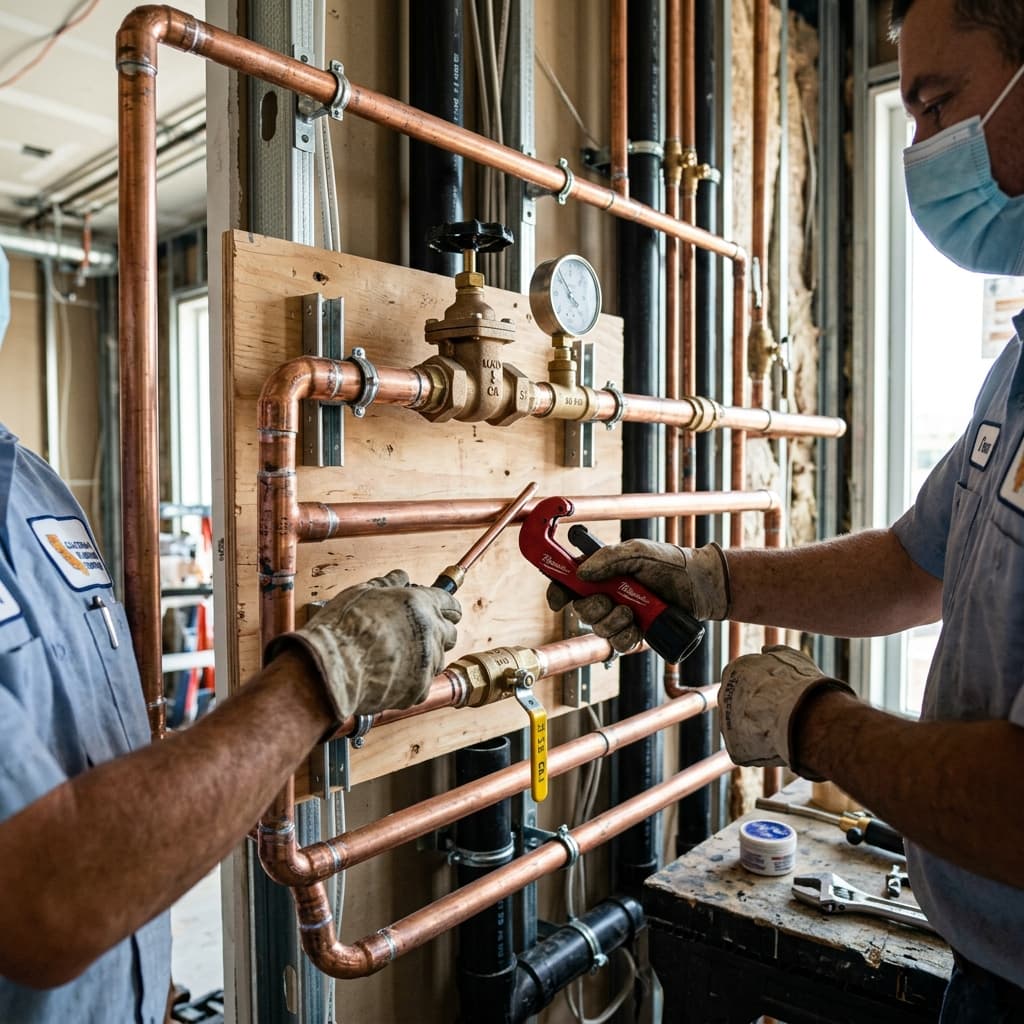

# Indirect Waste Pipe Installation & Fixture Connection Requirements for C-36 Exam Success
Introduction: Understanding Indirect Waste Systems
Indirect waste pipe installation is a critical component of California's plumbing code that protects water supply systems from contamination. As a C-36 exam candidate, understanding when and how to install indirect waste pipes—and the fixture connection requirements that govern them—is essential for passing Part 2: Water Supply and Distribution.
The California Plumbing Code (CPC) Section 422 addresses indirect waste pipe systems comprehensively. These systems are designed to prevent backflow and contamination by creating a physical separation between fixtures that may contain contaminants and the building's drainage system. This blog post will guide you through the standards, installation requirements, and exam-critical knowledge you need.
What Are Indirect Waste Pipes?
Definition and Purpose
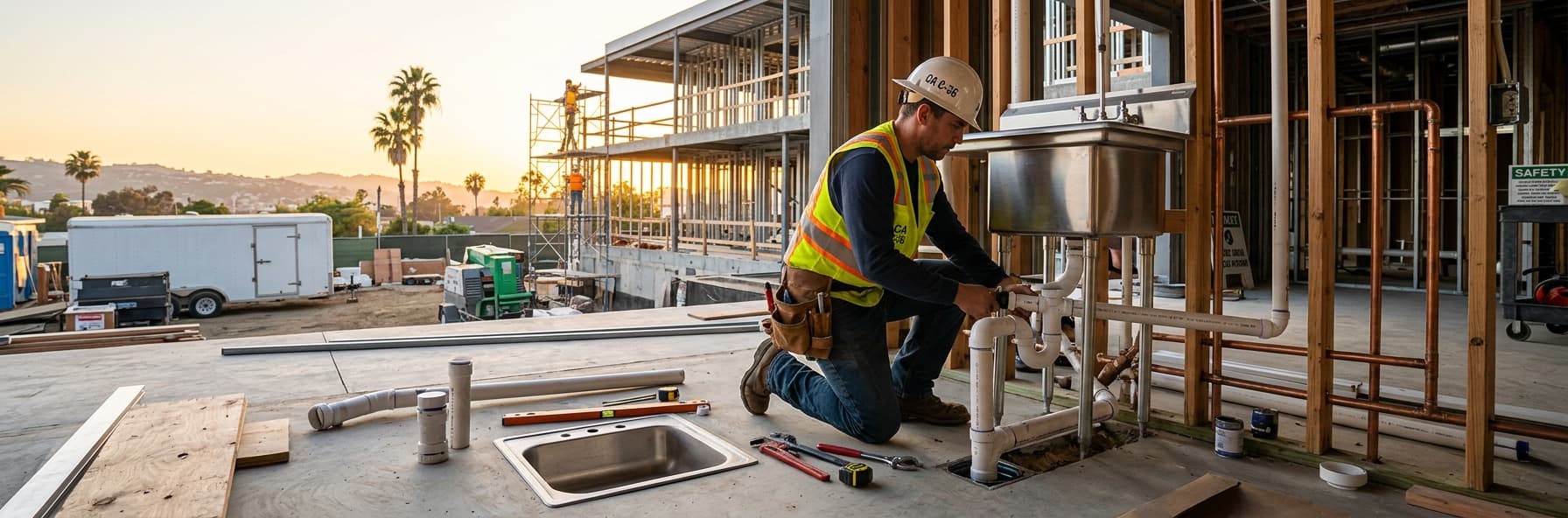
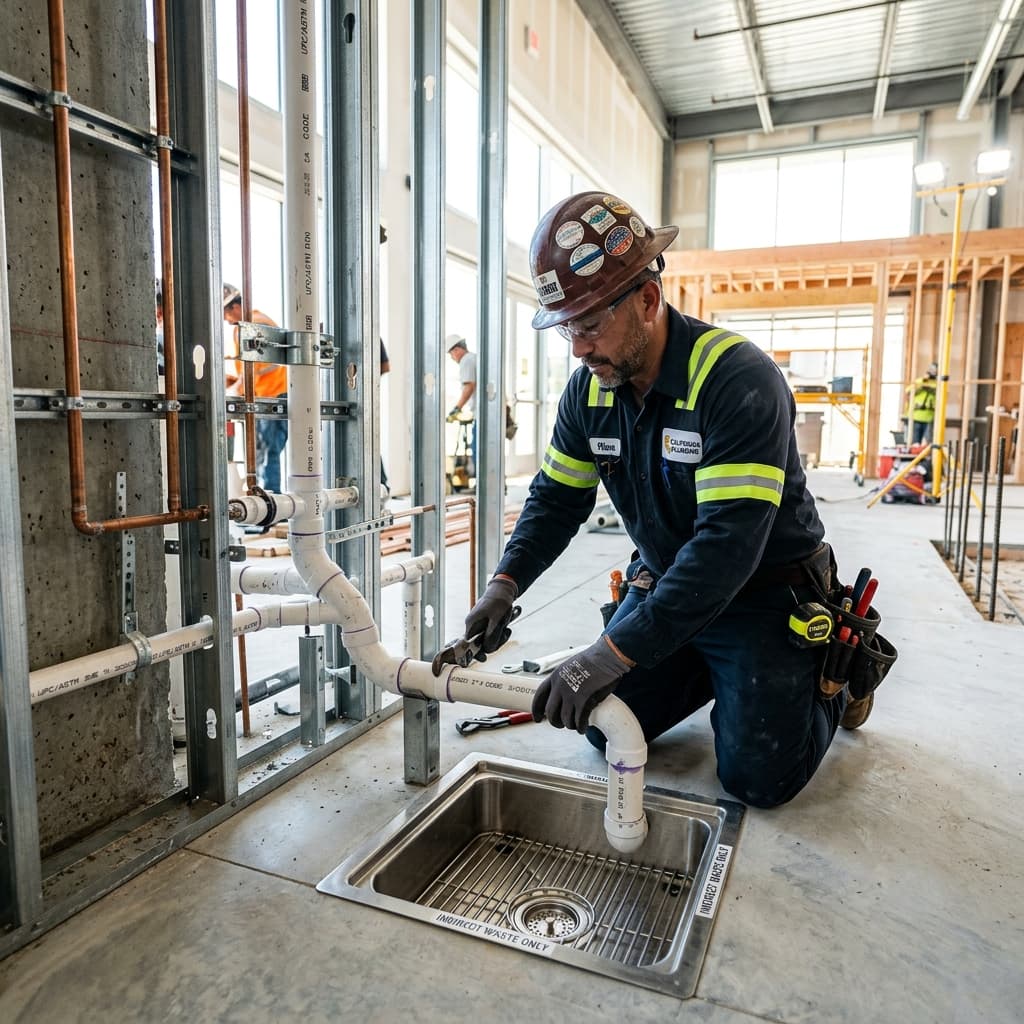
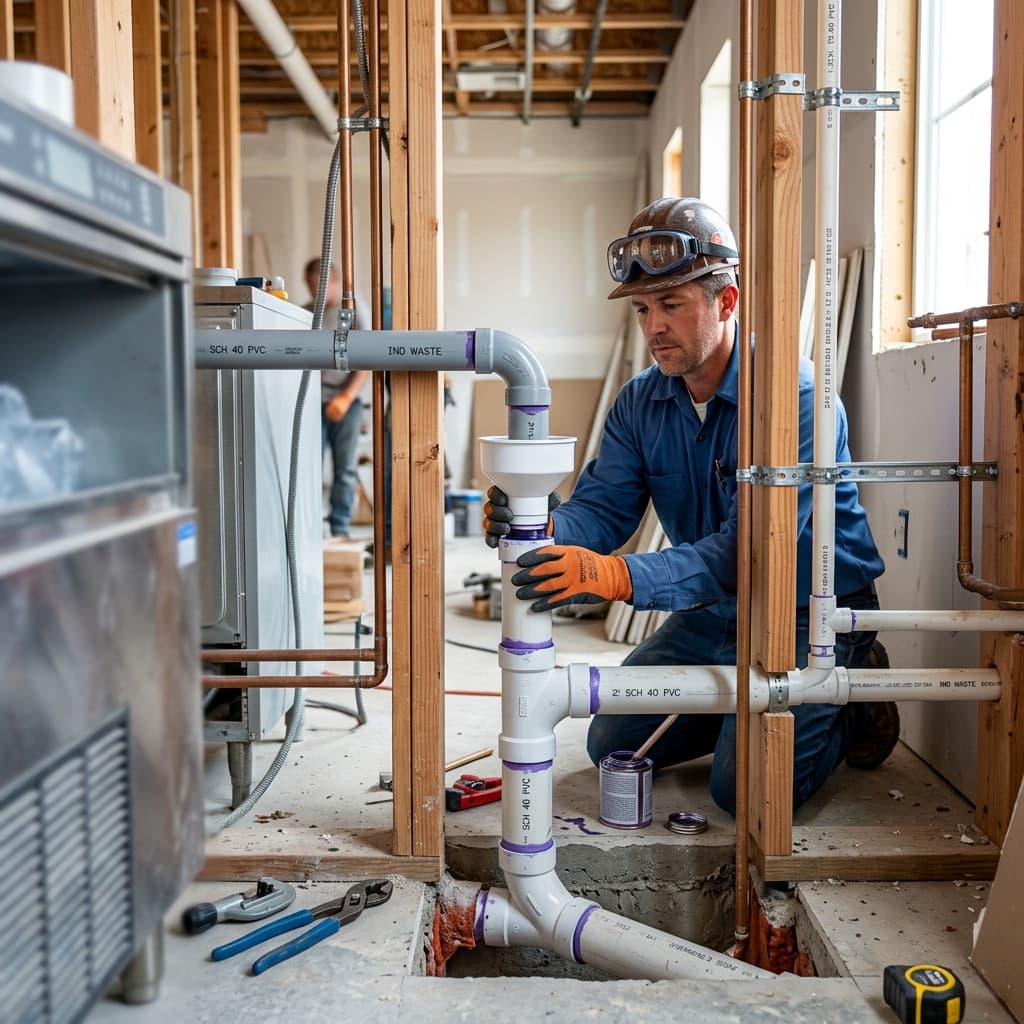
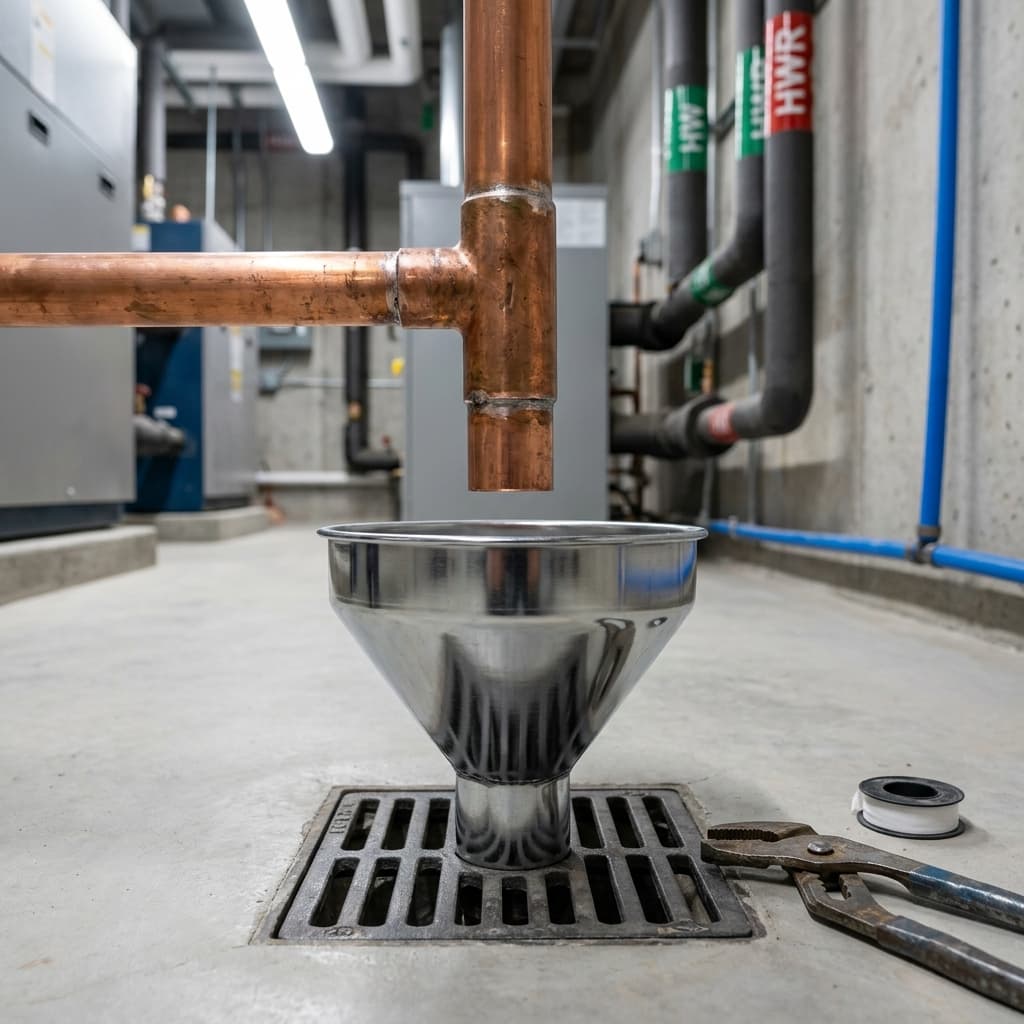
An indirect waste pipe is a waste pipe that does not connect directly to the building's drainage system. Instead, it terminates above a fixture or receptacle that drains into the sanitary drainage system, creating what's known as an "air gap" or "indirect connection."
Key distinction: Unlike direct connections where pipes connect directly to the building drain, indirect waste pipes discharge into an open receptacle (typically a floor sink or approved fixture) with a visible gap between the pipe outlet and the receptacle rim.Why Indirect Waste Systems Matter
Indirect waste systems serve several critical functions:
- Prevents Backflow: Creates a physical barrier preventing contaminated water from flowing back into clean supply lines
- Protects Water Quality: Eliminates risk of siphonage and contamination from potentially hazardous fixtures
- Maintains Code Compliance: Ensures buildings meet CPC Section 422 requirements
- Protects Public Health: Safeguards the building's water supply system and municipal water infrastructure
CPC Section 422: Legal Requirements
Section 422.1 - Scope of Indirect Waste Systems
CPC Section 422.1 establishes the framework for when indirect waste pipes must be used. Understanding this section is crucial for C-36 exam success.
Key provision: Indirect waste pipes are required for fixtures where backflow prevention and contamination control are critical concerns.Section 422.2 - Fixtures Requiring Indirect Waste
CPC Section 422.2 specifies which fixtures must discharge indirectly. Memorizing this list is essential for Part 2 exam questions:
Fixtures requiring indirect waste connection:- Air conditioning equipment and units
- Boilers and steam equipment
- Sterilizers
- Toilet bowls (for cleaning/servicing purposes)
- Sinks and basins in commercial food preparation areas
- Laboratory sinks and fixtures
- Floor drains in certain commercial applications
- Equipment with hazardous discharge potential
- Bedpan washers and medical equipment
- Refrigeration equipment
Fixture Connection Requirements
Air Gap Requirements
The air gap—the vertical space between the indirect waste pipe outlet and the flood rim of the receiving fixture—is one of the most testable aspects of CPC Section 422.
Standard air gap measurement (CPC Section 422.2):- Minimum air gap: 1 inch for most fixtures
- Maximum air gap: 2 times the diameter of the discharge pipe (but no less than 1 inch)
- Measurement method: From the lowest point of the pipe outlet to the flood rim level of the receiving fixture
Flood Rim Definition
The flood rim is the highest edge of the fixture where water would overflow if drainage were blocked. Understanding this term is critical because it defines where the air gap measurement begins.
Common C-36 exam question format: "When measuring the air gap for an indirect waste connection, from what point do you measure to the flood rim?"Installation Standards for Indirect Waste Pipes
Material Requirements
CPC Section 422 requires indirect waste pipes to meet specific material standards:
Approved materials include:- Copper (Type K, L, or M)
- Brass
- Plastic (CPVC, PVC) where permitted locally
- Stainless steel
- Cast iron (for drainage portions)
- Galvanized steel (limited applications)
Pipe Sizing and Slope
Proper sizing ensures efficient drainage and prevents backup:
Sizing standards (CPC Section 422):- Minimum pipe diameter: ½ inch (though larger is often required based on fixture demand)
- Slope requirement: Minimum ¼ inch per foot of horizontal run
- Maximum slope: ½ inch per foot (prevents solids separation)
Support and Securement
Indirect waste pipes must be properly supported per CPC Section 308.4:
- Horizontal runs: Support every 4 feet
- Vertical runs: Support every 10 feet
- Hangers must be non-corrosive (stainless steel, copper, or plastic-coated steel)
- Supports must not damage the pipe
Receiving Fixtures: Standards and Requirements
Approved Receptacles
The fixture receiving the indirect waste discharge must meet specific standards:
CPC Section 422.3 approved receptacles:- Floor sinks (most common)
- Laundry tubs
- Catch basins or floor drains (with proper design)
- Approved trapped fixtures with proper sizing
- Condensation drain pans (for HVAC equipment)
Trap Requirements
Receiving fixtures for indirect waste must have proper trapping:
- Trap seal: Minimum ¾ inch, maximum 4 inches (per CPC Section 312.1)
- Trap design: Must prevent siphonage and maintain seal under normal conditions
- Access: Must be accessible for cleaning and maintenance
Common Installation Mistakes to Avoid
Understanding what NOT to do is just as important for exam success:
Mistake #1: Improper Air Gap Measurement
Common error: Measuring air gap from the center of the pipe outlet instead of the lowest point. Correct method: Always measure from the lowest point of the discharge outlet to the flood rim level of the receiving fixture.Mistake #2: Undersizing the Receiving Fixture
Common error: Installing a small floor sink to receive discharge from multiple fixtures. Requirement: The receiving fixture drain must be sized to accommodate all indirect waste discharge simultaneously without backup.Mistake #3: Incorrect Pipe Material Selection
Common error: Using materials inappropriate for the discharge type (example: plastic pipes for chemical discharge). Standard: Match pipe material to the nature of the waste being discharged.Mistake #4: Inadequate Support Installation
Common error: Using inadequate hangers or spacing supports beyond code limits. Requirement: Follow CPC Section 308.4 support spacing strictly.Exam Strategy: Key Concepts to Master
Memorization Priorities
For C-36 Part 2 exam success, prioritize these knowledge areas:
High Priority (Most Frequently Tested):- Fixtures requiring indirect waste
- Air gap measurements and calculations
- Receiving fixture requirements
- Trap requirements for receiving fixtures
- Pipe material specifications
- Support and securement requirements
- Slope calculations
- Installation troubleshooting scenarios
- Historical code evolution
- Specialized industrial applications
- Regional variations
Sample C-36 Exam Questions
Question Type 1 - Fixture Identification: "Which of the following fixtures requires an indirect waste connection under CPC Section 422?" A) Standard residential kitchen sink B) Sterilizer equipment C) Residential toilet D) Water closet in a home bathroom Answer: B - Sterilizers are specifically listed in CPC Section 422.2 Question Type 2 - Air Gap Calculation: "A 1½-inch indirect waste pipe must discharge into a floor sink. What is the maximum allowable air gap?" A) 1 inch B) 1½ inches C) 2 inches D) 3 inches Answer: D - Maximum air gap is 2 times the pipe diameter (2 × 1.5" = 3") Question Type 3 - Installation Standards: "Horizontal indirect waste pipes must be supported at maximum intervals of:" A) 3 feet B) 4 feet C) 6 feet D) 10 feet Answer: B - CPC Section 308.4 requires 4-foot maximum spacing for horizontal runsRelated Reading and Further Study
To deepen your understanding of related topics, explore these related areas:
- Understanding Backflow Prevention Devices and CPC Section 608 Requirements
- Water Supply Line Installation Standards and Material Selection
- Trap Seal and P-Trap Requirements in California Plumbing Code
- Fixture Drainage and Waste Pipe Sizing Calculations
Final Exam Preparation Tips
Study Approach
- Review CPC Section 422 directly: Read the actual code language, not just summaries
- Create flashcards: List fixtures and their indirect waste requirements
- Practice air gap calculations: Work through 10+ scenarios with different pipe sizes
- Study installation diagrams: Visualize proper connections and receiving fixtures
- Work through practice exams: Focus on Part 2 questions related to fixture connections
One Week Before Your C-36 Exam
- Review fixture lists daily
- Practice air gap calculations under timed conditions
- Diagram proper indirect waste installations from memory
- Take full-length practice exams with focus on Part 2
During the Exam
- When encountering fixture connection questions, visualize the air gap concept
- For calculations, double-check your pipe diameter identification
- Read questions carefully—some distinguish between residential and commercial fixtures
- Trust your preparation; if unsure between two answers, select based on CPC Section 422 principles
Conclusion
Indirect waste pipe installation and fixture connection requirements represent essential knowledge for C-36 exam success. By mastering CPC Section 422 standards, understanding air gap requirements, memorizing fixtures requiring indirect waste, and practicing installation scenarios, you'll develop the competency needed to pass Part 2: Water Supply and Distribution.
Remember: Indirect waste systems protect public health and water supply integrity. The codes exist for important reasons, and your mastery of these requirements ensures safe, compliant plumbing installations throughout California.
Begin your study with fixture identification, progress through air gap calculations, and finish with installation scenario practice. This systematic approach will build the comprehensive understanding necessary for exam success.